Strategic & Somatic psychotherapy
Reiki Healing Tokyo
レイキ Traditional Japanese Reiki Usui healing
Reiki healing Tokyo
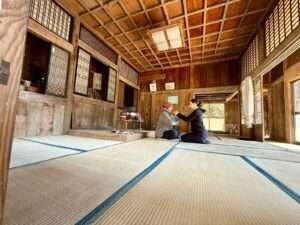
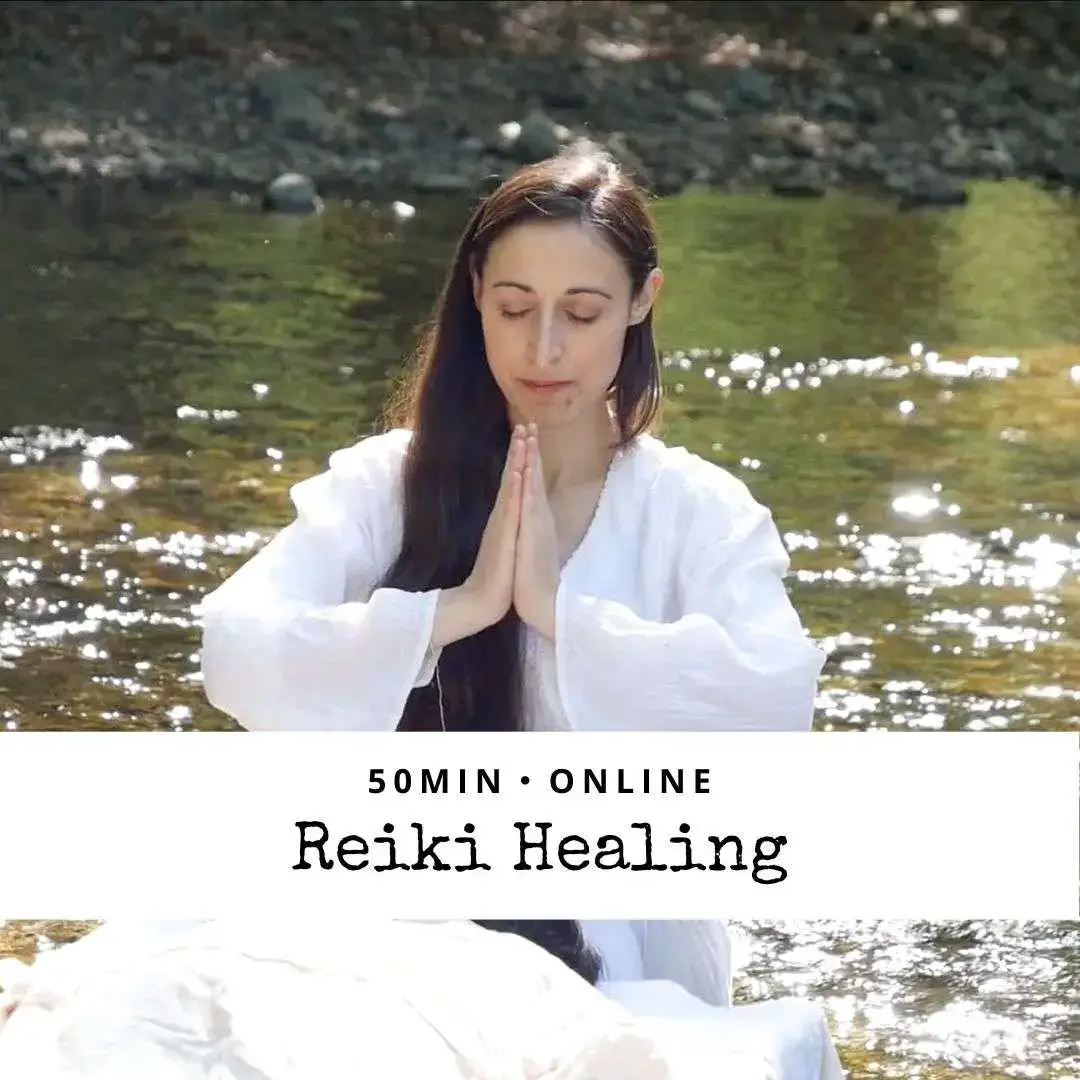
Experience traditional Japanese Reiki healing in Tokyo and Online, offered in English by a certified Komyo ReikiDo Shihan. Reiki is a gentle Japanese hands-on practice that supports deep relaxation, balance and overall well-being.

What Is Reiki Healing ”霊気”?
Reiki (レイキ) is a traditional Japanese hands-on practice that supports greater harmony between the body and mind.
Rooted in the Japanese understanding of Ki (気)—often translated as vital energy—Reiki offers a gentle and non-invasive space to slow down, settle the mind and reconnect with the body.
At Body Mind Therapy Tokyo, Reiki healing sessions follow the Komyo ReikiDo tradition, a Japanese Reiki lineage that emphasises simplicity, inner peace and the practice of living with a calmer mind and greater presence.
During a session, gentle hand placement, stillness and focused attention invite you to pause from the demands of everyday life and experience deep relaxation and body-mind balance.
How Reiki therapy Works
Creating Space to Slow Down
Reiki creates a quiet space away from the demands and stimulation of everyday life. Through gentle hand placement, stillness and focused attention, the practice invites you to slow down, rest and turn your attention inward.
Working with Ki and Presence
In the traditional Japanese understanding of Reiki, Ki (気) refers to the vital energy that animates and connects life. Reiki practice works within this framework through gentle touch, presence and attention, supporting a greater sense of balance and connection between body and mind.
Settling the Body and Mind
As the mind becomes quieter and the body is given permission to rest, you may experience deep relaxation, increased body awareness and a greater sense of inner calm. Reiki is not simply something that happens to you—it can also offer an experience of how slowing down, being present and cultivating a calmer mind can affect the way you feel in your body.
The Japanese roots of Reiki healing
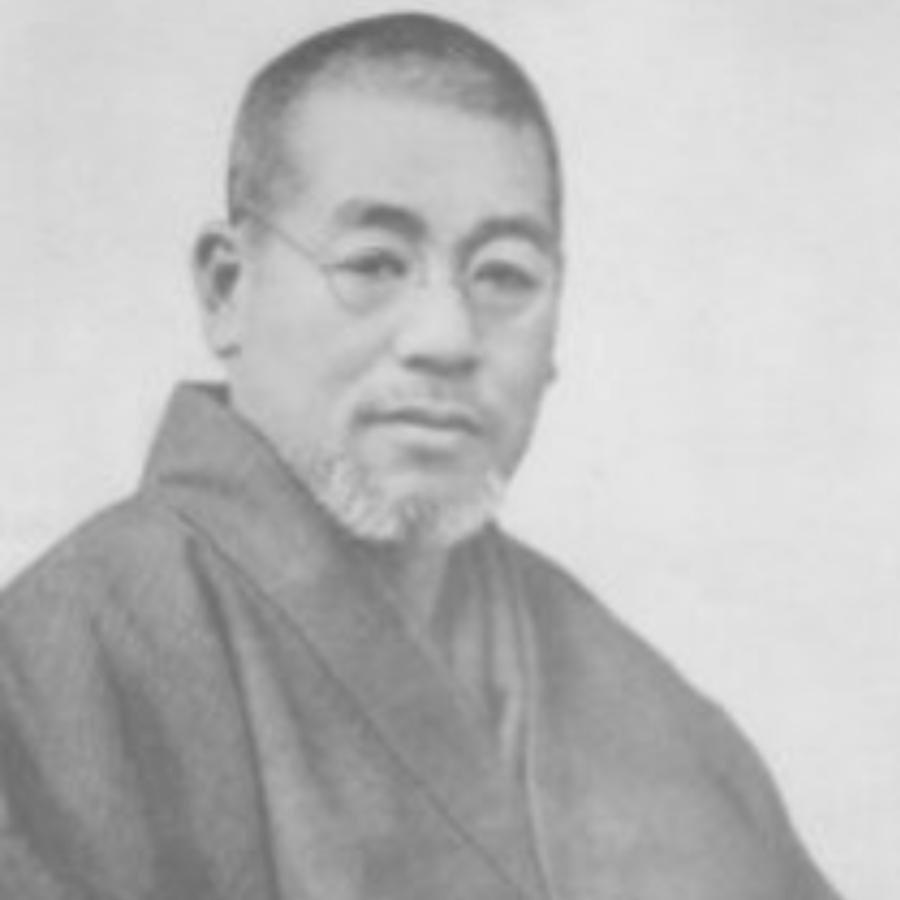
Reiki has its roots in Japan and in the early 20th-century work of Mikao Usui, who developed what became known as Usui Reiki Ryōhō. From Japan, Reiki later spread internationally, giving rise to different schools and lineages. Today, Reiki is practiced around the world, but its Japanese origins remain an important part of its philosophy and practice.
At the heart of Reiki is the Japanese concept of Ki (気), often translated as vital energy or life force. Ki is a traditional way of understanding the vitality and interconnectedness of life. In Japanese and East Asian traditions, the relationship between body, mind and environment has long been understood as an interconnected whole rather than as separate parts.
Japanese culture also offers concepts that resonate with the way Reiki is practiced, including wa (和), associated with harmony, and ma (間), the space or pause between things. These ideas are not specific to Reiki, but they provide a useful cultural context for understanding the importance of simplicity, presence, stillness and balance within Japanese practices.
Reiki also developed within a spiritual and contemplative context, including influences from Japanese Buddhist practice. Its emphasis on self-cultivation, inner calm and living with greater awareness reflects an approach in which healing is not only about addressing a particular symptom, but also about developing a different relationship with oneself and everyday life.
At Body Mind Therapy Tokyo, Reiki sessions are offered within the Komyo ReikiDo tradition, a contemporary Japanese Reiki lineage that places particular emphasis on simplicity, inner peace, hands-on practice and personal development.
Experiencing Reiki in this context is therefore not simply about receiving a treatment. It is an opportunity to encounter a Japanese practice of stillness, presence and body-mind connection, while taking time to listen inwardly and reconnect with yourself.
Reiki, Ki & the Body-Mind Connection
Understanding Ki
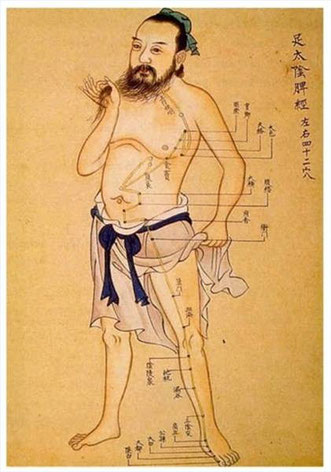
In the traditional Japanese understanding of Reiki, Ki (気) refers to the vital energy or life force present in all living beings. Rather than viewing the body and mind as separate, this perspective understands well-being as connected to the way we experience ourselves, our surroundings and our daily lives.
The Body as an Interconnected System
Reiki developed within a broader Japanese and East Asian tradition of understanding the body through relationships, pathways and points of connection. Concepts such as meridians (keiraku 経絡) and tsubo (acupressure points) are found in related traditional bodywork practices. These concepts provide a cultural context for understanding the body as an interconnected whole, rather than describing Reiki itself as acupuncture or another form of traditional medicine.
From Energy to Embodied Experience
Whether you relate to Ki as a traditional concept of vital energy or simply as a way of paying attention to your own vitality and sensations, Reiki invites a more attentive relationship with the body. Through stillness, gentle touch and presence, you may become more aware of subtle sensations, tension, breathing and changes in your internal state. This body-mind perspective is central to the way Reiki is experienced at Body Mind Therapy Tokyo: not as a technique for forcing change, but as a practice of slowing down, listening inwardly and allowing greater space for balance and presence.
What Can Reiki Help With?
Reiki is often sought as a supportive practice for relaxation, restoration and greater body-mind awareness. People may come to a Reiki session when they feel overwhelmed, disconnected from their body, or simply in need of a quiet space to rest and reset.
Stress & Mental Overload
Reiki offers a calm, non-demanding space to step away from constant stimulation and mental activity. The stillness and focused attention of a session can support deep relaxation and create an opportunity to slow down.
Emotional Overwhelm
When emotions feel intense or difficult to process, having time and space to simply pause can be valuable. Reiki may support a sense of calm and provide a gentle environment in which emotions can settle without needing to analyse or explain everything.
Fatigue & Need for Rest
Reiki can be particularly appealing during periods of tiredness, depletion or prolonged stress. Rather than requiring effort or active participation, a session invites you to stop, receive and allow the body and mind time to rest.
Chronic Pain & Physical Tension
Reiki may be used as a complementary practice alongside appropriate medical or therapeutic care. The gentle, non-invasive nature of the practice can provide a supportive space for relaxation, body awareness and a different experience of being with physical sensations.
Reconnecting With the Body
For people who spend much of their time in their thoughts, Reiki offers an opportunity to return attention to the body. Through stillness, touch and presence, you may become more aware of subtle sensations and rediscover a quieter, more embodied way of being.
Reiki as Part of a Body-Mind Approach
Reiki can be experienced on its own, but it can also complement other forms of body-mind work. While psychotherapy often works through conversation, reflection and changes in patterns, Reiki offers a different way of slowing down: through stillness, gentle touch and direct attention to the body.
For some people, this creates a valuable space between thinking and doing. Instead of analysing an experience, you can simply notice what is happening in your body and allow yourself to rest.
At Body Mind Therapy Tokyo, Reiki is not used as a replacement for psychotherapy or medical care. When appropriate, it can be one part of a broader body-mind approach, alongside practices such as somatic therapy, psychotherapy or other supportive modalities.
The purpose is not to combine techniques for the sake of combining them, but to offer different ways of relating to the body, emotions and inner experience.
What to Expect in a Reiki healing Session
A Quiet, Comfortable Setting
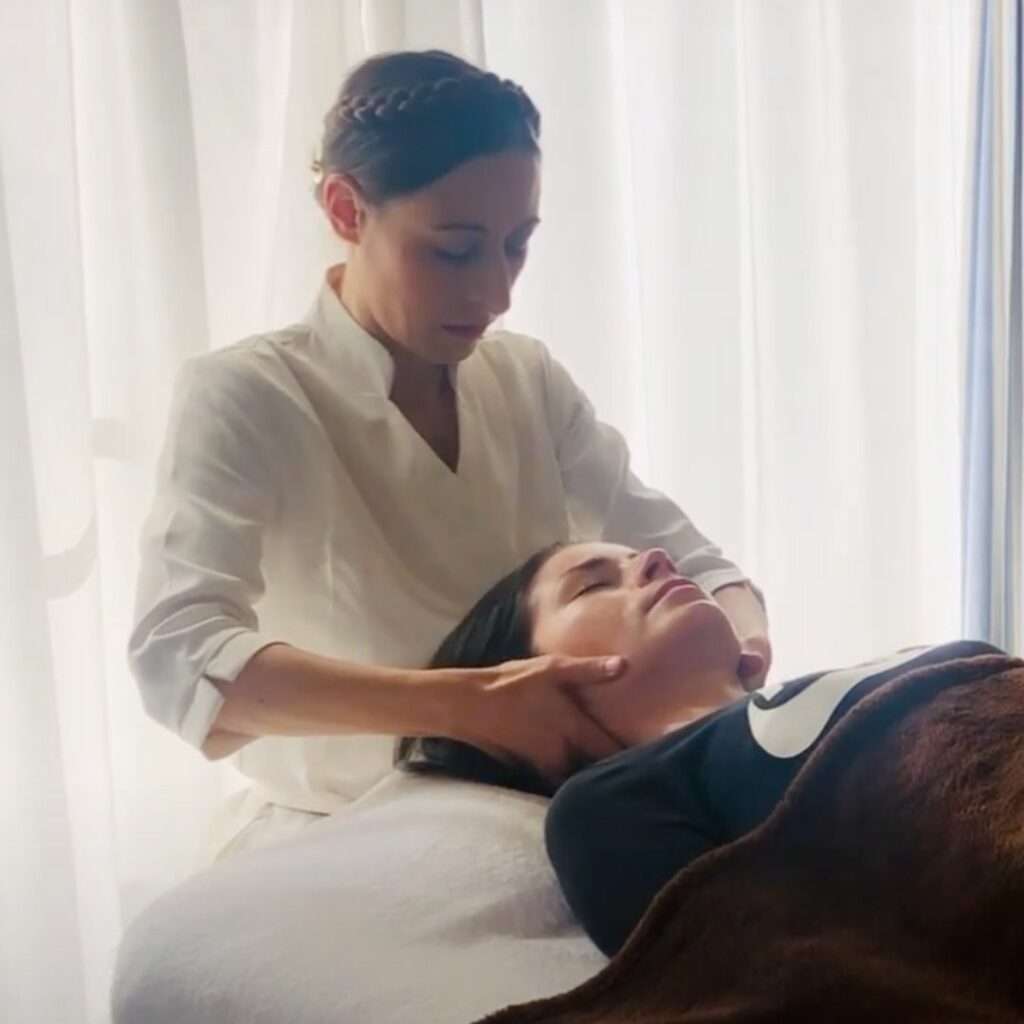
A Reiki session takes place in a calm and comfortable environment where you can slow down and let go of the demands of everyday life. You remain fully clothed and can usually lie down or sit comfortably, depending on what feels most appropriate for you.
Gentle Touch & Stillness
During the session, the practitioner places their hands gently on or just above different areas of the body. There is no need to perform, talk or actively do anything. You are simply invited to rest, breathe and notice your experience.
A Personal Experience of Relaxation
Everyone experiences Reiki differently. You may notice warmth, heaviness, lightness, subtle sensations, emotions, imagery, or simply a deep sense of relaxation. There is no particular experience you need to have and no right or wrong way to receive Reiki.
The session is an opportunity to step out of your usual pace, become more aware of your body and experience a quieter state of mind.
Is Reiki Right for You?
Reiki may be worth exploring if you are looking for a gentle way to slow down, rest and reconnect with your body and inner experience.
You may find Reiki particularly meaningful if you:
Feel mentally or physically overwhelmed and need space to pause
Find it difficult to slow down or give yourself permission to rest
Want to reconnect with your body and become more aware of subtle sensations
Are going through a period of change, emotional overwhelm or depletion
Are curious about Japanese approaches to well-being, Ki and energy
Prefer a gentle, non-invasive practice that does not require you to talk extensively about what you are experiencing
Are already familiar with Reiki and would like to experience a traditional Japanese Reiki practice in Tokyo
You do not need to have a particular problem or belief system to experience Reiki. You can simply come with curiosity and see how the practice feels for you.
Reiki may not be the right approach if you are looking for a specific medical treatment or a technique designed to produce a particular physical outcome. Reiki is a complementary practice and should not replace appropriate medical or psychological care.
Ultimately, there is no special way you need to be to receive Reiki. The most important thing is simply being open to slowing down, noticing your experience and taking some time for yourself.
Testimonials
What Clients Say about Reiki healing at Body mind therapy
- “After just one Reiki session, I felt deeply relaxed and more in tune with my emotions. The environment was calming, and the practitioner was incredibly attentive.” Sayuri
- “Reiki has been an amazing addition to my therapy. It helped me find balance during a very stressful time. Highly recommend!” Louise
What Does Research Say About Reiki?
Reiki has been studied as a complementary practice in a range of healthcare and research settings, including nursing, pain management, anxiety, stress and palliative care. While some studies report positive effects, the overall evidence remains limited and variable, and more high-quality research is needed.
Research on Relaxation & Well-Being
Studies have explored Reiki in relation to relaxation, stress, anxiety and emotional well-being. Some findings suggest that people may experience greater relaxation and reduced anxiety following Reiki sessions, although the research does not yet establish a specific physiological mechanism by which Reiki produces these effects.
Research in Healthcare Settings
Reiki has also been explored in hospitals and other healthcare settings, including as a complementary practice alongside conventional care. Research has investigated areas such as pain, anxiety, fatigue and quality of life, with some studies reporting promising results. However, differences in study design, small sample sizes and other methodological limitations make it difficult to draw firm conclusions about its effectiveness.
An Evolving Field of Research
Recent systematic reviews continue to find potential benefits in areas such as relaxation, pain, anxiety and emotional well-being, while also emphasising the need for larger, better-designed studies. Reiki is therefore best understood as a complementary practice, rather than a replacement for medical or psychological treatment.
Why Choose Body Mind Therapy for Reiki in Tokyo?
Authentic Japanese Reiki Tradition
Reiki sessions are offered within the Komyo ReikiDo tradition, a Japanese Reiki lineage rooted in the teachings of Mikao Usui. As a certified Komyo ReikiDo Shihan, Emmanuelle Matsumura offer Reiki with respect for its Japanese origins, philosophy and traditional practice.
An Experienced Body-Mind Practitioner
With over 2 decade of experience in body-mind therapies, psychotherapy and somatic practices, I bring a broader understanding of the relationship between the body, mind and emotional experience. This background informs the way I hold space during Reiki sessions, while keeping the Reiki practice itself grounded in its own tradition.
-> Learn more about Emmanuelle Matsumura
Reiki in English, with a Holistic Perspective
For English-speaking residents and visitors looking for Reiki in Tokyo, sessions are offered in a calm and welcoming environment without a language barrier. Reiki can be experienced as a practice in its own right, while my wider body-mind background allows me to approach each person with an attentive and integrative perspective.
Frequently Asked Questions
Do I need to believe in Reiki for it to work?
No. You do not need to have any particular belief or spiritual background to experience Reiki. You can simply approach a session with curiosity and notice how you feel during and after the practice.
What does Reiki feel like?
Everyone experiences Reiki differently. You may notice warmth, tingling, heaviness, lightness, changes in breathing, emotions, imagery, or simply a deep sense of relaxation. Some people notice very little during the session and still appreciate the feeling of calm afterwards. There is no particular sensation you need to experience.
Is Reiki spiritual?
Reiki has roots in Japanese spiritual and contemplative traditions, and some people experience it as a spiritual practice. However, you do not need to follow a particular religion or spiritual belief system to receive Reiki. At Body Mind Therapy Tokyo, Reiki is offered with respect for its Japanese roots while allowing each person to experience the practice in their own way.
Does Reiki balance the chakras?
The chakra system comes from Indian spiritual traditions and is not part of the original Japanese Reiki system developed by Mikao Usui. In some modern Western Reiki practices, Reiki is combined with chakra-based approaches, but this is different from traditional Japanese Reiki.
In the Komyo ReikiDo tradition, the focus is not specifically on balancing or clearing individual chakras. Instead, Reiki practice emphasises Ki, presence, inner peace and harmony between body and mind.
You may nevertheless notice sensations or changes in different areas of your body during a Reiki session. These experiences can be meaningful to you, but they do not need to be interpreted through the chakra system.
Does Reiki involve touch?
Yes. Traditional Reiki is a hands-on practice in which the practitioner gently places their hands on or just above different areas of the body. Your comfort and boundaries always come first. If you prefer not to be touched in a particular area, this can be discussed before or during the session.
Do I need to prepare anything before a Reiki session?
No special preparation is required. It can be helpful to wear comfortable clothing and avoid arriving immediately after a very heavy meal. Most importantly, you do not need to know how to meditate or have any previous experience with Reiki.
How long is a Reiki session?
A Reiki session typically lasts around 50 minutes, depending on the type of session you choose. The session includes time to settle in before the practice and, when appropriate, a short moment afterwards to reflect on your experience.
Can Reiki replace medical or psychological treatment?
No. Reiki is a complementary practice and is not intended to diagnose, treat or cure medical or psychological conditions. It should not replace appropriate medical care or psychotherapy. It can, however, be experienced alongside other forms of care as a supportive practice for relaxation, rest and body awareness.
Can I combine Reiki with psychotherapy or other treatments?
Yes. Reiki can be experienced alongside psychotherapy, somatic work and other supportive practices. These approaches offer different ways of working with your experience. If you are already receiving medical or psychological care, Reiki can complement that care rather than replace it.
Is Reiki available in English in Tokyo?
Yes. Reiki sessions are offered in English at Body Mind Therapy Tokyo, making them accessible to English-speaking residents and visitors looking for traditional Japanese Reiki in Tokyo.
Can I receive Reiki if I am new to it?
Absolutely. No previous experience is necessary. A Reiki session can be a simple opportunity to slow down, rest and discover the practice for yourself.
Ready to explore a different relationship with your body?
Take a pause, reconnect with your body and experience the quiet presence of traditional Japanese Reiki.
Whether you are new to Reiki or already familiar with the practice, you are welcome to experience a session in English in Tokyo.
Want to Learn Reiki?
Reiki is not only a practice you can receive — it can also become a personal practice that you explore and develop over time.
If you would like to learn Reiki for yourself or deepen your understanding of the Japanese tradition, you can explore my Reiki courses and training in Tokyo, offered in English.
Explore Reiki Courses →