Mind Body Psychotherapy for Anxiety, Trauma, Chronic Pain and Stress-Related symptoms.
A trauma-informed, somatic and integrative approach combining psychotherapy and body-oriented techniques to help you understand persistant symptoms, regulate your nervous system, and reconnect body and mind, for a better understand of yourself.
You may understand what is happening, yet still find yourself responding in ways that feel difficult to control. Therapy can help you understand the patterns that maintain your symptoms and develop greater flexibility in how you respond — in your thoughts, emotions, behaviours and body.
Anxiety, Panic and Chronic stress.
When anxiety becomes a familiar pattern, your mind and body can begin responding to situations as though they require constant protection. Together, we explore what triggers and maintains these responses, while developing new ways of experiencing uncertainty, regulating activation and responding with greater choice.
Our goal is not to eliminate every uncomfortable feeling, but to help you relate to them differently and regain a sense of flexibility and control.
Trauma, PTSD & Emotional Responses
Sometimes an experience is over, yet your nervous system continues to respond as though something still needs to be protected against.
Trauma-informed therapy can help you understand how past experiences may still shape your present responses, without requiring you to relive or repeatedly explain the past.
Together, Through a personalized combination of psychological and somatic approaches, we work toward creating new associations, greater safety in the present, and more freedom in how you respond.
Chronic pain & Somatic symptoms
Persistent pain and physical symptoms are real, and their experience can be influenced by many interacting factors, including the nervous system, stress, emotions, attention and learned patterns of response.
Rather than suggesting that symptoms are “just psychological,” we look at the whole system and explore what may be contributing to their persistence.
We aim to develop a more flexible relationship with your body, reduce unnecessary suffering, and expand your sense of what is possible.
These are some of the areas in which I have particular experience, but therapy can also support a wide range of psychological and mind-body difficulties — including :
Depression, phobias, sleep difficulties, self-esteem, perfectionism, procrastination, anger, addictive and dependent patterns, relationship difficulties, burn out and life transitions.
If you are struggling with something that is not listed here, you are welcome to get in touch to explore whether my approach may be appropriate for you.
Trauma-informed therapy
Somatic & psychological approach
Evidence-base techniques
Collaborative care
How Body mind therapy can help ?
A personalized approach to understanding what maintains your difficulties and creating meaningful change.
Understanding the patterns behind your symptoms
Symptoms rarely exist in isolation. The way we think, feel, behave and respond physically can create patterns that become increasingly familiar over time.
Together, we explore what may be triggering and maintaining your difficulties — not simply to understand where they came from, but to discover where change is possible in the present.
Working with the mind, body & nervous system
Your experiences are not only thoughts or stories. They can also be felt through your body — in your breathing, tension, energy, sensations and automatic responses.
By bringing psychological and somatic perspectives together, therapy can help you develop a different relationship with these responses and gradually create more flexibility in how you experience and respond to them.
Developing New Responses & Greater Flexibility
Change does not always come from trying harder to think differently. Sometimes it begins by discovering that you can respond differently.
Through a personalized therapeutic process, we work with your existing strengths and develop new ways of responding to thoughts, emotions, sensations and situations — creating more choice where automatic patterns once took over.
Building Autonomy & Lasting Change
The aim of therapy is not simply to feel better during a session, but to help you develop skills and insights that you can carry into everyday life.
As you become more able to recognize your patterns, respond to your experiences differently and make intentional choices, therapy can become a process of building greater autonomy and lasting change.
Online therapy allows you to access personalized psychological and mind-body support wherever you are.
Sessions are tailored to your needs and may integrate strategic psychotherapy, clinical hypnotherapy and somatic approaches to help you understand persistent patterns, develop new responses and build greater autonomy in everyday life.
Online Therapy From Anywhere
Whether you are living abroad, frequently travelling, or simply prefer the flexibility of working online, therapy can take place in a space that feels comfortable and private to you.
Online sessions provide the same personalized therapeutic approach, without requiring you to be physically in Tokyo.
Personalized Therapy for Your Needs
There is no single technique that works for everyone. Your sessions are adapted to your goals, your history and the patterns you are experiencing.
Together, we identify what is most useful for you and select therapeutic approaches accordingly, rather than trying to fit you into a predefined method.
For those living in or visiting Tokyo, I offer in-person sessions combining psychological and body-based approaches.
Your treatment is tailored to your needs and may focus on psychotherapy, somatic work, or an integration of both.
Psychotherapy & Hypnosis
In-person sessions can combine strategic psychotherapy with somatic approaches to help you explore both your inner experience and the ways it is expressed through the body.
The approach is adapted to your needs, rather than following a fixed protocol.
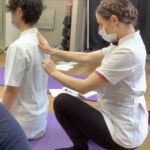
Somatic Therapy & Seitai
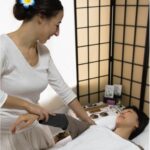
When appropriate, body-oriented approaches such as Seitai and therapeutic bodywork can complement psychological work.
These approaches can provide another way of noticing tension, movement, sensation and bodily patterns, while supporting greater awareness and connection with the body.
A Personalized Approach in Tokyo
Your sessions are shaped around your goals, needs and current situation. Depending on what you are experiencing, we may focus primarily on psychotherapy, incorporate somatic work, or combine different approaches as part of an integrated therapeutic process.
Some people benefit primarily from psychological work, while others find that working directly with the body opens an important pathway for change. For some, the two approaches work best together.
Body-Mind Therapy brings together psychological and body-based perspectives to create a more complete understanding of the difficulties you are experiencing.
Rather than focusing only on symptoms, we look at the patterns connecting your thoughts, emotions, behaviours, relationships and bodily responses — and explore where meaningful change can begin.
Therapy Beyond the Symptom
A symptom is often only one part of a larger pattern.
Rather than asking only how to make a symptom disappear, we explore what it may be communicating, what keeps it going, and how your current responses may have developed over time.
This allows therapy to move beyond symptom management toward meaningful and sustainable change.
An Integrative Mind-Body Approach
Mind and body are constantly influencing one another. Thoughts can affect physical sensations, physical states can influence emotions, and repeated patterns can become increasingly automatic.
Integrating psychological and somatic perspectives allows us to work with these different dimensions rather than treating them as separate parts of your experience.
A Focus on Autonomy
Therapy is not about becoming dependent on a therapist to feel well.
The aim is to help you develop a deeper understanding of yourself, recognize patterns earlier, expand your range of responses and build practical resources that you can use in everyday life.
Ultimately, the goal is greater flexibility, confidence and autonomy.
Therapeutic Approach for Mind & Body
There is no single approach that works for everyone. I draw from a range of psychological and body-based therapies and adapt the therapeutic process to your needs, goals and responses.
Rather than choosing a technique first, we begin by understanding what is happening and then identify which approaches may be most helpful for you.
Strategic psychotherapy focuses on understanding the patterns that maintain a difficulty in the present and identifying practical ways to create change.
Rather than focusing only on why a problem began, we explore what keeps it going and what can be changed now.
Clinical hypnotherapy can help you access different ways of experiencing thoughts, emotions, sensations and automatic responses.
Using focused attention and therapeutic suggestion, hypnosis can support change in patterns that may be difficult to shift through conscious effort alone.
Somatic therapy brings attention to the body’s sensations, movements and responses as part of the therapeutic process.
By developing greater awareness of how experiences are held and expressed physically, we can explore new ways of responding and relating to the body.
EMDR & Trauma-Focused
For trauma-related difficulties, approaches such as EMDR may help the brain and nervous system process experiences that continue to influence present-day responses.
The approach is adapted carefully to your level of safety, readiness and therapeutic needs.
These approaches are not used as isolated techniques. They are integrated within a personalized therapeutic process based on your individual needs and goals.
Specialized Training in Psychotherapy & Hypnotherapy
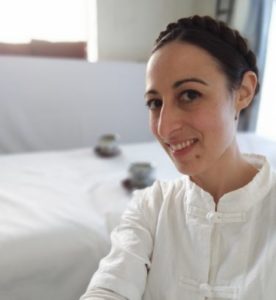
I’m Emmanuelle Matsumura, a strategic psychotherapist and clinical hypnotherapist with multidisciplinary training across psychological, somatic and body-based approaches.
My multidisciplinary training allows me to look at your difficulties from psychological, somatic and body-based perspectives, while keeping the therapeutic process focused on what matters most to you.
Specialized Training in Psychotherapy & Hypnotherapy
Clinical Hypnotherapy
Strategic Psychotherapy
ISPA member
Gut oriented hypnosis
CBT
Advanced Training in Trauma & Somatic Approaches
Trauma-informed care
Somatic therapy
IFS
EMDR
Chronic pain
Integrative Mind-Body Expertise
Bodywork
Seitai
Shiatsu
Kinesiology
Osteopathy (gynecology)
A Multidisciplinary & Cross-Cultural Perspective
Australia, France, Japan
Western & Eastern perspective
Integrative approach
What clients say
Working with Emmanuelle was transformative. Hypnotherapy helped me let go of patterns that were blocking my creativity, and I went on to write two full screenplays faster than ever before. Her gentle, non-judgmental approach helped me feel lighter, more focused and free to create.
I had an amazing experience! I am grateful to have found this place in Tokyo.
Mary M
Model
Emmanuelle helped me work through both my back pain and past trauma with kindness and respect. I felt truly supported throughout the process and would happily return whenever I need support.
Emmanuelle is incredibly warm, knowledgeable and attentive. I left feeling lighter and deeply relaxed, and I loved how patiently she answered all my questions. I would absolutely recommend a session with her.
Putri
House wife
My experience was mind-blowing. After years of chronic pain and scoliosis, I left the sessions feeling deeply relaxed and woke up the next day with no pain. The experience was so powerful that I later began some Reiki courses with Emmanuelle.
From the very first session, I felt safe, welcomed and deeply supported. Emmanuelle’s gentle yet grounded approach made me feel that we were discovering the path together, at my own pace. A truly transformative and empowering experience.
Explore practical mind-body practices to support your wellbeing, deepen your personal practice and autonomy, or integrate complementary approaches into your professional toolkit.
Explore practical mind-body practices to support your wellbeing, deepen your personal practice and autonomy, or integrate complementary approaches into your professional toolkit.